






The Modern Helmet Bag: Protection, Mobility, and Evolving Design
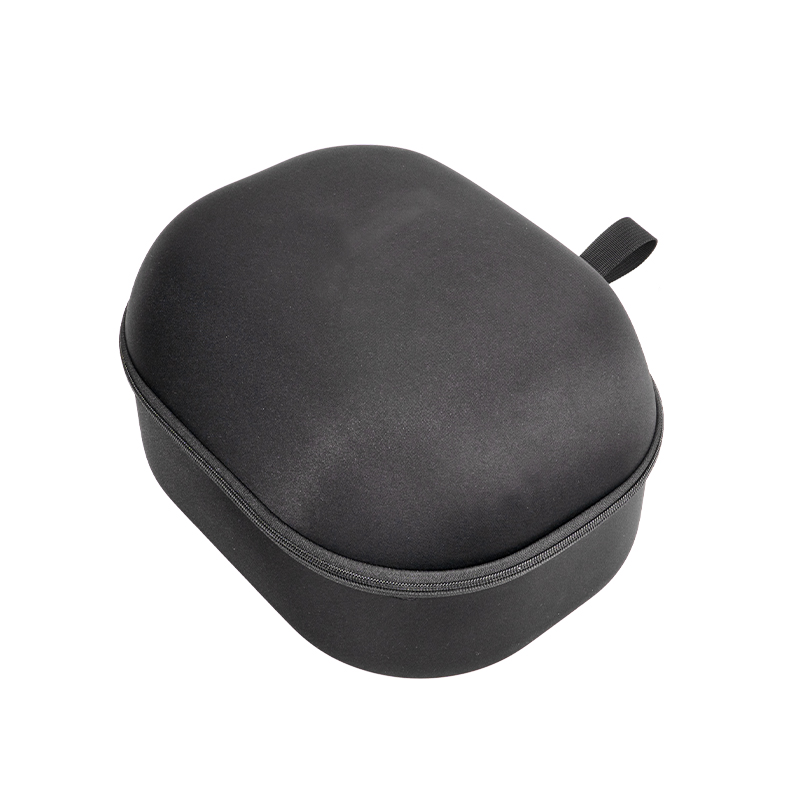
A helmet bag may appear to be a simple accessory, yet its role has expanded far beyond basic storage. Originally developed for military pilots who needed a safe and convenient way to carry flight helmets and oxygen masks, the helmet bag has gradually become an essential item for motorcyclists, cyclists, skiers, and even urban commuters. Today, it represents a blend of practical engineering and thoughtful industrial design.
Durability as a Core Feature
The primary purpose of any helmet bag is protection. High-quality models are usually made from abrasion-resistant fabrics such as ballistic nylon, reinforced polyester, or composite materials designed to withstand impact and friction. Soft inner linings—often microfiber or brushed cotton—prevent scratches on the helmet’s surface and safeguard visors against dust and smudges. Some advanced designs incorporate molded shells or foam padding to absorb external pressure during travel.
Convenience Meets Modern Mobility
A contemporary helmet bag must adapt to diverse lifestyles. Whether it is carried on a motorcycle, stored in a car, or taken on a plane, mobility matters. Many bags now feature adjustable shoulder straps, hidden backpack systems, or ergonomic grab handles that allow users to shift between carrying methods with ease. Ventilation ports are added to let helmets dry naturally after a long ride, while wide-opening zippers ensure that even bulky helmets can be placed inside without effort.
Functional Storage and Smart Organization
Helmet carriers are no longer single-compartment sacks. To meet modern demands, manufacturers include pockets for gloves, goggles, action cameras, keys, and documents. Some models integrate padded sleeves for tablets or small laptops, turning the bag into a dual-purpose travel companion. These features make the helmet bag not only a protective container but also a compact organizer for daily or outdoor activities.
Aesthetics and Personal Expression
As riding cultures and outdoor sports continue to grow, consumers expect their gear to reflect personality. Therefore, helmet bags come in a wide range of styles—from minimalist black shells to vibrant printed fabrics. Brands experiment with reflective trims, waterproof coatings, and modular attachments to help riders express themselves while maintaining safety and practicality.
Sustainability and Material Innovation
Environmental awareness has also influenced the design of helmet bags. Some manufacturers are shifting towards recycled fibers, eco-friendly dyes, and modular components that can be replaced instead of discarded. Reduced-waste cutting processes and water-repellent treatments without harmful chemicals are increasingly common. This evolution aligns with the global push for more sustainable gear solutions.
Conclusion
The helmet bag is no longer a niche item used only by pilots or professional riders. It has become a versatile, protective, and stylish piece of equipment that adapts to modern mobility needs. By combining durability, functionality, aesthetics, and sustainability, today’s helmet bags offer far more than simple storage—they deliver a thoughtful solution for keeping valuable headgear safe in a fast-moving world.

Recommend news
Luxury Laptop Bags
02/02/2026
Related information

02/02/2026
Apple Leather Laptop Bag: Sustainable Elegance for Modern Professionals
Luxury Laptop Bags

01/19/2026
Mini Digital Storage Case: Small Size, Big Convenience
Mini Digital Storage Case

Contact Us
Contact: Roger Young
Tel: +86 13829257690
Email:sale@chfine.com
Address: 72#,Dongbao Road,Houjie Town,Dongguan,Guangdong,China.
JOIN TEAM
Be the first to get new knowledge
FOLLOW



Chfine(CN) | EVACAMARA CASE | RX packaging
COPYRIGHT @ 2022 ,Dongguan Chfine Luggages And Cases Co., Ltd. All rights reserved